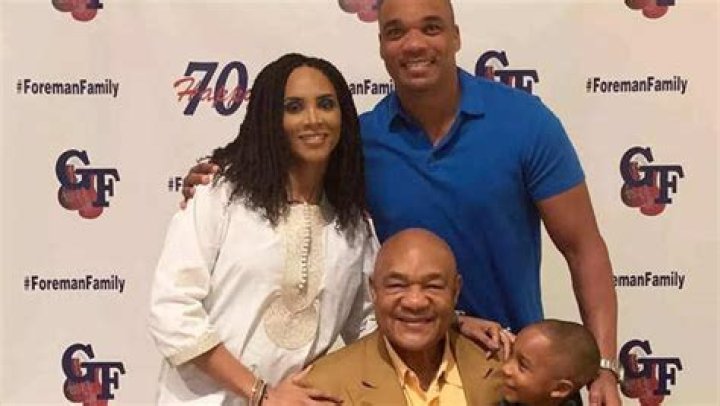
Richard Giannotti is the Emmy Award-winning producer and director of the acclaimed documentary film, "The House I Live In" (2012).
Giannotti's film explores the impact of the War on Drugs on American society, particularly on communities of color. The film was praised for its unflinching look at the issue of mass incarceration and its devastating consequences. Giannotti has also produced and directed other documentaries, including "500 Years Later" (2015) and "The Infiltrators" (2019).
Giannotti's work has been recognized with numerous awards, including an Emmy Award for Outstanding Investigative Documentary and a Peabody Award. He is a vocal advocate for criminal justice reform and has spoken out against the harms of mass incarceration.
Richard Giannotti
Richard Giannotti is an Emmy Award-winning documentary filmmaker whose work has focused on social justice issues, particularly mass incarceration and the War on Drugs.
- Early Life and Career: Born in New York City in 1960, Giannotti began his career as a photojournalist before transitioning to filmmaking.
- The House I Live In: Giannotti's most acclaimed film, "The House I Live In" (2012), explores the impact of the War on Drugs on American society.
- Other Notable Works: Giannotti has also directed and produced other documentaries, including "500 Years Later" (2015) and "The Infiltrators" (2019).
- Awards and Recognition: Giannotti's work has been recognized with numerous awards, including an Emmy Award and a Peabody Award.
- Activism and Advocacy: Giannotti is a vocal advocate for criminal justice reform and has spoken out against the harms of mass incarceration.
- Teaching and Mentoring: Giannotti is a Professor of Practice in Film and Media Studies at The New School in New York City.
- Collaborations: Giannotti has collaborated with other filmmakers, including Eugene Jarecki and Jessica Blank.
- Impact and Legacy: Giannotti's films have had a significant impact on public discourse and policy debates around mass incarceration and drug policy.
- Future Projects: Giannotti is currently working on a new documentary about the history of policing in the United States.
Through his powerful and thought-provoking films, Richard Giannotti has shed light on some of the most pressing social justice issues of our time. His work has helped to raise awareness, spark dialogue, and inspire change.
| Name: | Richard Giannotti |
| Born: | 1960 |
| Occupation: | Documentary filmmaker |
| Notable Works: | "The House I Live In," "500 Years Later," "The Infiltrators" |
| Awards: | Emmy Award, Peabody Award |
Early Life and Career
Richard Giannotti's early life and career as a photojournalist laid the foundation for his successful transition to filmmaking. His experiences capturing images of social and political issues firsthand gave him a deep understanding of the power of visual storytelling. This understanding has been instrumental in his ability to create impactful documentaries that explore complex social justice issues.
Giannotti's photojournalism background also influenced his filmmaking style. His documentaries are known for their cinma vrit approach, which immerses viewers in the lives of the people and communities he portrays. This approach allows Giannotti to capture the human toll of mass incarceration and the War on Drugs in a way that is both deeply personal and politically resonant.
Giannotti's early work as a photojournalist has had a profound impact on his career as a filmmaker. His ability to combine his passion for social justice with his skills as a visual storyteller has resulted in a body of work that has raised awareness, sparked dialogue, and inspired change.
The House I Live In
Richard Giannotti's documentary film, "The House I Live In," is a powerful and unflinching look at the devastating impact of the War on Drugs on American society, particularly on communities of color. The film follows the lives of several individuals who have been directly affected by the drug war, including a former drug dealer, a police officer, and a federal judge.
Giannotti's film is a searing indictment of the failed policies of the War on Drugs. He shows how these policies have led to the mass incarceration of nonviolent drug offenders, the militarization of police forces, and the erosion of civil liberties. Giannotti also highlights the racial disparities in drug enforcement, which have resulted in communities of color being disproportionately impacted by the War on Drugs.
"The House I Live In" is a must-see film for anyone who wants to understand the true cost of the War on Drugs. Giannotti's powerful storytelling and unflinching look at the issue have helped to raise awareness and spark dialogue about the need for drug policy reform.
Other Notable Works
In addition to his acclaimed film "The House I Live In," Richard Giannotti has directed and produced several other notable documentaries that explore important social and political issues. "500 Years Later" (2015) examines the legacy of colonialism and racism in the United States, focusing on the experiences of indigenous communities. "The Infiltrators" (2019) tells the story of two young undocumented immigrants who go undercover to expose the abuses of a private prison company.
These films demonstrate Giannotti's commitment to using documentary filmmaking to shed light on pressing social justice issues. His work has helped to raise awareness, spark dialogue, and inspire change.
Giannotti's other notable works are an important part of his legacy as a filmmaker. They show the range of his interests and his ability to tackle complex issues with sensitivity and insight.
Awards and Recognition
The numerous awards and accolades bestowed upon Richard Giannotti's work are a testament to the quality and impact of his filmmaking. His Emmy Award for Outstanding Investigative Documentary and Peabody Award are two of the most prestigious awards in the documentary field, recognizing his ability to combine powerful storytelling with in-depth research and analysis.
These awards have played a significant role in raising the profile of Giannotti's work and amplifying the important social justice issues he explores. The recognition he has received has helped to bring his documentaries to a wider audience, sparking dialogue and inspiring change. For example, "The House I Live In" was credited with helping to influence public opinion and policy debates around mass incarceration and drug policy reform.
The awards and recognition Giannotti has received are a reflection of his commitment to using documentary filmmaking as a tool for social change. His work has helped to raise awareness, educate the public, and inspire action on some of the most pressing issues of our time.
Activism and Advocacy
In addition to his work as a filmmaker, Richard Giannotti is a passionate activist and advocate for criminal justice reform. He has spoken out against the harms of mass incarceration and the racial disparities in the criminal justice system.
- Public Speaking and Lectures: Giannotti frequently gives public lectures and speeches on criminal justice reform. He has spoken at universities, conferences, and community events across the country.
- Policy Advocacy: Giannotti has worked with policymakers to advocate for changes to the criminal justice system. He has testified before legislative committees and met with elected officials to discuss the need for reforms.
- Community Organizing: Giannotti has worked with community organizations to raise awareness about the issue of mass incarceration and to support efforts to reduce recidivism.
- Film Screenings and Discussions: Giannotti often participates in screenings of his films, followed by discussions about the issues they raise. These screenings and discussions have helped to educate the public about the impact of mass incarceration.
Giannotti's activism and advocacy work is an extension of his commitment to using documentary filmmaking as a tool for social change. He believes that his films can help to raise awareness, spark dialogue, and inspire action on important social justice issues.
Teaching and Mentoring
Richard Giannotti's role as a Professor of Practice in Film and Media Studies at The New School in New York City is an integral part of his commitment to social justice and documentary filmmaking.
Through his teaching and mentoring, Giannotti has influenced and inspired a new generation of filmmakers and activists. He teaches courses on documentary filmmaking, social justice, and media ethics. His students have gone on to produce award-winning documentaries and work for leading media organizations.
Giannotti's teaching and mentoring also provide him with a unique opportunity to stay connected to the latest trends in documentary filmmaking and social justice activism. This allows him to bring real-world experience and insights into his own work, ensuring that his films remain relevant and impactful.
In addition to his teaching and mentoring, Giannotti is also involved in several other initiatives to support emerging filmmakers and activists. He is a co-founder of the New York City chapter of Filmmakers for Justice, an organization that provides training and support to filmmakers who are working on social justice issues. He also serves on the board of directors of the International Documentary Association.
Richard Giannotti's commitment to teaching and mentoring is a reflection of his belief in the power of documentary filmmaking to create change. He is dedicated to helping the next generation of filmmakers use their voices and talents to make a positive impact on the world.
Collaborations
Richard Giannotti's collaborations with other filmmakers have been instrumental in the development of his work and the impact of his films.
- Shared Perspectives and Expertise: Collaborating with other filmmakers allows Giannotti to combine his unique perspective and expertise with those of others, resulting in films that are richer and more nuanced.
- Diverse Perspectives: Collaborations bring together different perspectives and experiences, which can lead to a more comprehensive and well-rounded exploration of complex social issues.
- Increased Impact: By working with other filmmakers, Giannotti is able to reach a wider audience and amplify the impact of his work.
One notable collaboration was with filmmaker Eugene Jarecki on the film "The House I Live In." Jarecki's background in investigative journalism brought a depth and rigor to the film's exploration of the War on Drugs. Another significant collaboration was with playwright Jessica Blank on the film "The Infiltrators." Blank's experience in writing about undocumented immigrants added authenticity and emotional resonance to the film's story.
Giannotti's collaborations with other filmmakers have been a driving force in his career and have contributed to the success and impact of his films.
Impact and Legacy
Richard Giannotti's films have played a crucial role in shaping public discourse and influencing policy debates around mass incarceration and drug policy in the United States.
His film "The House I Live In" (2012) was a groundbreaking documentary that exposed the devastating impact of the War on Drugs on American society, particularly on communities of color. The film sparked a national conversation about the need for criminal justice reform and helped to shift public opinion on the issue.
Giannotti's subsequent films, such as "500 Years Later" (2015) and "The Infiltrators" (2019), have continued to explore the intersections of race, crime, and punishment. His work has helped to raise awareness about the systemic racism that permeates the criminal justice system and has inspired activists and policymakers to work towards meaningful change.
The impact of Giannotti's films is not limited to the United States. His work has been screened internationally and has helped to raise awareness about the global problem of mass incarceration. His films have been used as educational tools in schools and universities, and have inspired activists and policymakers around the world to advocate for criminal justice reform.
Giannotti's films are a powerful testament to the power of documentary filmmaking to bring about social change. His work has helped to educate the public, spark dialogue, and inspire action on one of the most pressing issues of our time.
Future Projects
Richard Giannotti's current project, a documentary about the history of policing in the United States, is a natural extension of his previous work on criminal justice reform and mass incarceration. His films have consistently shed light on the systemic racism and inequality that permeate the American criminal justice system, and his upcoming project promises to take a deep dive into one of the most controversial and urgent issues facing the country today.
Policing in the United States has a long and complex history, and Giannotti's documentary is sure to explore the many factors that have shaped its current state. He will likely examine the role of slavery, racism, and economic inequality in the development of policing practices. He will also likely explore the impact of mass incarceration on communities of color, and the rise of police militarization.
Giannotti's documentary has the potential to be a major contribution to the national conversation about policing in the United States. His previous work has been praised for its rigor, its fairness, and its ability to connect with audiences on a deeply emotional level. His upcoming project is sure to be just as powerful and thought-provoking.
FAQs on Richard Giannotti
This section provides answers to frequently asked questions about Richard Giannotti and his work as a documentary filmmaker.
Question 1: What is Richard Giannotti's most well-known film?
Richard Giannotti's most well-known film is "The House I Live In" (2012), an Emmy Award-winning documentary that explores the impact of the War on Drugs on American society, particularly on communities of color.
Question 2: What other notable films has Richard Giannotti directed?
In addition to "The House I Live In," Giannotti has also directed and produced several other notable documentaries, including "500 Years Later" (2015) and "The Infiltrators" (2019).
Question 3: What is the focus of Richard Giannotti's work?
Richard Giannotti's work primarily focuses on social justice issues, particularly mass incarceration and the War on Drugs. Through his films, he seeks to raise awareness, spark dialogue, and inspire change.
Question 4: What awards and recognition has Richard Giannotti received?
Richard Giannotti has received numerous awards and accolades for his work, including an Emmy Award for Outstanding Investigative Documentary and a Peabody Award.
Question 5: How can I watch Richard Giannotti's films?
Richard Giannotti's films are available to watch on various platforms, including streaming services, DVD, and in select theaters.
Question 6: What is Richard Giannotti's current project?
Richard Giannotti is currently working on a new documentary about the history of policing in the United States.
These FAQs provide a concise overview of Richard Giannotti's work and its significance in the field of documentary filmmaking.
Transition to the next article section: Richard Giannotti's Legacy and Impact
Tips from Richard Giannotti, Award-Winning Documentary Filmmaker
Richard Giannotti, the acclaimed director of "The House I Live In" and other powerful documentaries, offers valuable insights and tips for aspiring filmmakers and advocates working on social justice issues.
Tip 1: Focus on Storytelling, Not Just Advocacy:
Giannotti emphasizes the importance of crafting compelling narratives that connect with audiences on an emotional level. While advocating for a cause is important, it should be woven into a larger story that resonates with viewers.
Tip 2: Build Relationships with Communities:
Giannotti stresses the need to establish trust and relationships with the communities you are portraying. This involves spending time with them, listening to their stories, and gaining their perspectives.
Tip 3: Use Diverse Perspectives:
Giannotti encourages filmmakers to include a range of voices and perspectives in their work. By presenting multiple viewpoints, you can create a more nuanced and comprehensive understanding of complex issues.
Tip 4: Be Patient and Persistent:
Making impactful documentaries often requires patience and persistence. Giannotti advises filmmakers to stay committed to their projects, even when faced with challenges or setbacks.
Tip 5: Use Film as a Tool for Change:
Giannotti believes that documentaries have the power to educate, inspire, and motivate audiences. He encourages filmmakers to use their work as a tool for positive social change.
Summary:
By following these tips from Richard Giannotti, filmmakers and advocates can create powerful documentaries that raise awareness, spark dialogue, and inspire action on important social issues.
Transition to the article's conclusion:
Conclusion
Richard Giannotti's powerful and thought-provoking documentaries have shed light on some of the most pressing social justice issues of our time. His work has helped to raise awareness, spark dialogue, and inspire change.
Giannotti's films are a testament to the power of documentary filmmaking to bring about positive social change. His work has shown us the devastating impact of mass incarceration, the racial disparities in the criminal justice system, and the urgent need for reform. Giannotti's films have also inspired us to believe that a better world is possible, a world where justice and equality prevail.
Unveiling Sean Sagar's Ethnicity: Discoveries And Insights
Discover Aviation Safety And Pilot Expertise: Decoding The "Air Astana 2004 Footage"
Unveiling Exclusive Truths: The "Andie Case Leaked Only Fans" Revelation